



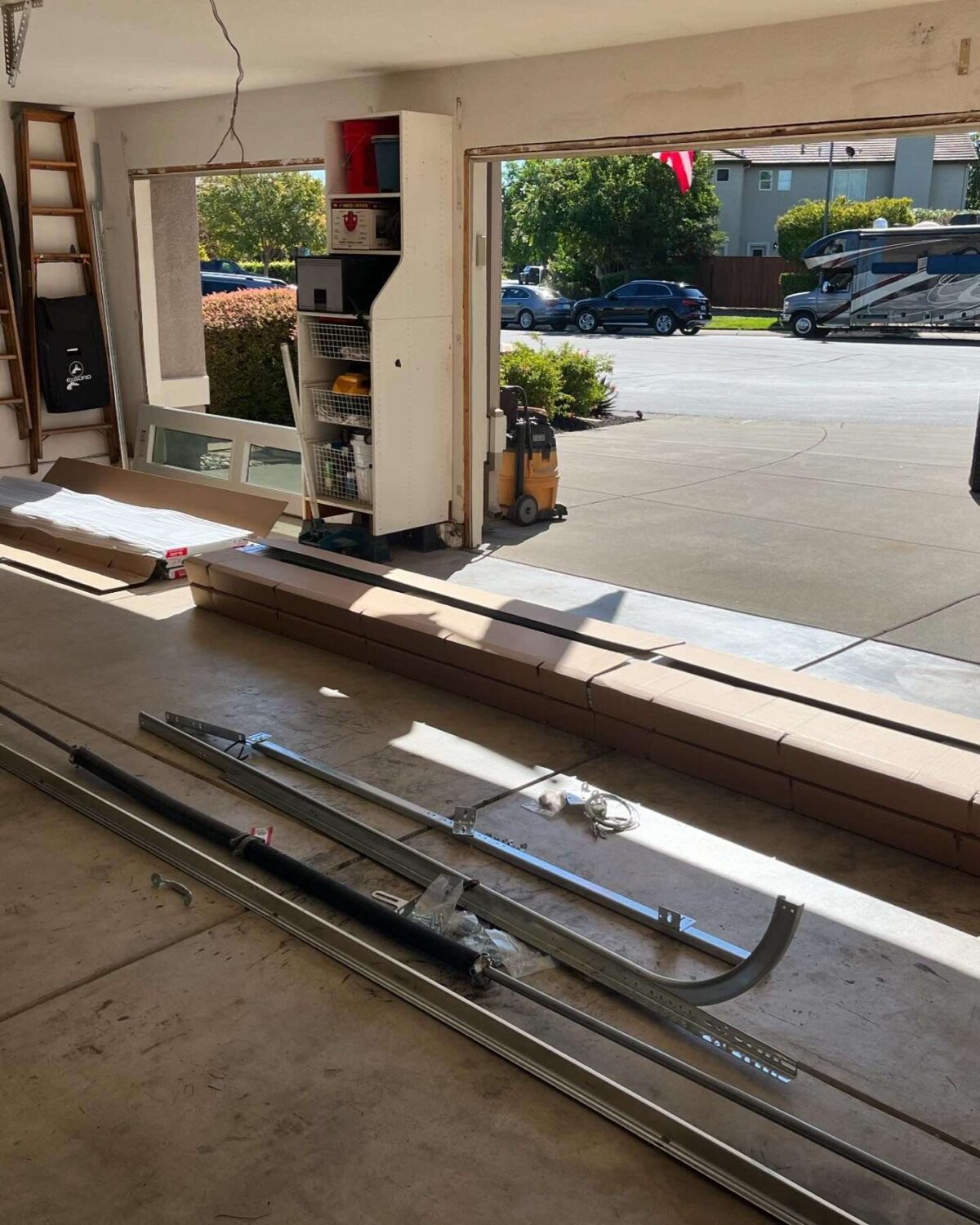
The garage door is one of the most hardworking components of any modern home, cycling open and closed thousands of times over its lifespan. While the large panels and the motor often capture the most attention, the true heavy lifting—and the majority of the operational stress—is managed by a delicate and complex system of springs, cables, and rollers. These smaller, often overlooked parts are fundamental to the door’s safety, efficiency, and longevity. Ignoring signs of wear in these components can quickly lead to inconvenient breakdowns, costly damage to the opener and door panels, or, most critically, dangerous accidents. Timely garage door roller replacement and garage door cable replacement are not optional fixes; they are a crucial, non-negotiable part of responsible garage door maintenance. This comprehensive guide will detail the importance of these components, identify the signs of wear, explore the necessary steps for garage door hardware replacement, and emphatically explain why tasks involving high-tension systems are always best left to trained professionals.
The Unsung Heroes: Understanding Rollers and Cables
Before delving into replacement procedures, it’s vital to understand the function of these key mechanical components. They work in tandem with the springs to counterbalance the immense weight of the door (which can range from 150 to over 400 pounds).
1. The Role of Garage Door Rollers
Rollers are the wheels that guide the door panels within the metal garage door track. They determine how smoothly and quietly the door operates.
-
Function: Rollers are mounted on the hinges and brackets of each panel. They roll along the track, minimizing friction and ensuring the door moves on a precise path up and down.
-
Types: Rollers are typically made of steel or nylon.
-
Steel Rollers: Durable and capable of handling heavy doors, but often noisier and require more frequent lubrication.
-
Nylon Rollers (with sealed bearings): The premium choice. They are significantly quieter, reduce wear on the tracks, and often last 10–15 years with proper maintenance, making them the standard upgrade for garage door roller replacement. The number of ball bearings directly impacts their performance and lifespan.
-
-
Lifespan: Depending on usage and material, standard rollers can last 5 to 7 years, while premium nylon rollers can last 10 to 15 years.
Don't Delay Essential Repairs
2. The Critical Function of Garage Door Cables
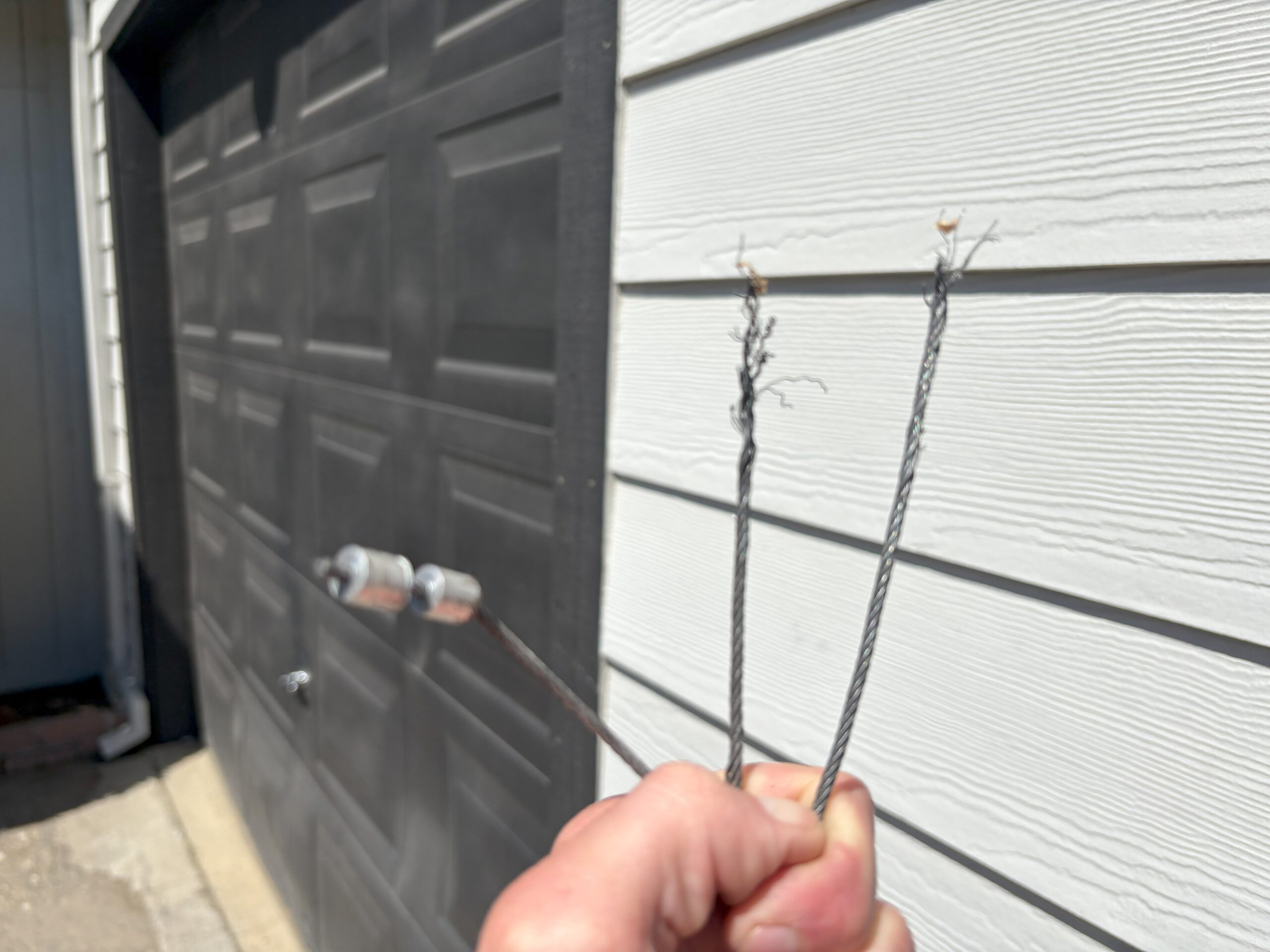
Cables are the steel wires that connect the bottom of the door to the spring system via drums or pulleys. They are the actual lifting mechanism.
-
Function: Cables transmit the energy stored in the springs (torsion or extension) to the bottom of the door, allowing the door to be lifted easily by the opener or by hand.
-
Safety Backup: For extension spring systems, a separate safety cable is often run through the center of the spring. In the event of a spring failure, this safety cable prevents the spring from flying across the garage and causing injury or damage.
-
Tension: These cables operate under the exact, high tension of the spring system. Even when the door is closed, the cables are under immense load.
-
Lifespan: Cables typically last as long as the springs, which are rated for 10,000 to 20,000 cycles (8 to 14 years of average use). However, they are susceptible to fraying, rust, and slipping.
Signs That Demand Immediate Roller and Cable Replacement
Timely garage door roller replacement or garage door cable replacement can prevent far more expensive repairs, such as damage to the opener motor or the door panels themselves. Look out for these critical signs:
Signs for Garage Door Roller Replacement:
-
Loud, Excessive Noise: High-pitched squeaking, metal-on-metal grinding, or rattling indicates worn-out rollers or failing bearings. Nylon rollers become noisy when their bearings fail, while steel rollers make noise when the metal wheel wears down.
-
Jerky or Uneven Movement: If the door hesitates, stutters, or shakes while moving, a roller may be sticking, cracked, or binding in the track. This often points to misalignment or flat spots on the roller wheel.
-
Visible Wear and Damage: Physically inspect the rollers. Look for:
-
Cracked, chipped, or flattened wheels (common on plastic/nylon rollers).
-
Bent roller shafts (stems) or loose metal around the bearings.
-
Rollers that wobble excessively while the door is moving.
-
-
Misalignment or Derailment Risk: Worn-out rollers can throw off the door’s precise balance, causing the door to sit unevenly or lift slightly off the track. This significantly increases the risk of complete derailment, which is a dangerous and costly event requiring extensive garage door track repair.
Signs for Garage Door Cable Replacement:
-
Fraying or Rust: Any visible sign of cable fraying (small metal wires poking out), corrosion, or rust is a severe warning sign. A frayed cable is a cable at the end of its life, and it can snap at any moment.
-
Lopsided or Jammed Door: If the door hangs unevenly, droops to one side, or becomes jammed halfway up or down, it almost always signals a cable problem. The cable may have broken on one side, or it may have slipped off the cable drum, causing the door to lose tension and balance.
-
Unwound or Tangled Cables: Cables that have become unwound from the drum or tangled around the springs are an immediate emergency. This typically happens when the door hits an obstruction or the spring tension fails. Do NOT attempt to operate the door once this occurs.
-
Visible Gap Under the Door (Lopsided): A door that doesn’t seal properly on one side when closed indicates that the cable on that side has either stretched, slipped, or broken.
The Interconnected System: Rollers, Cables, and Track Repair
The rollers, cables, and tracks form a cohesive system. Failure in one area often cascades into failure in another.
The Domino Effect of Component Failure:
-
Worn Rollers Cause Track Damage: When rollers develop flat spots or fail to spin properly, they drag along the track, causing friction. This friction can lead to premature wear on the tracks, demanding eventual garage door track repair or replacement.
-
Cable Issues Cause Track Derailment: A broken or slack cable causes the door to become severely unbalanced. The immense weight on the operational side forces the door to twist and bind, quickly pulling the rollers out of the vertical and horizontal tracks, leading to a dangerous off-track scenario.
-
Track Damage Causes Roller Failure: Conversely, a bent or misaligned track (often caused by accidental impact or loose mounting brackets) can chip or crush the rollers, necessitating garage door roller replacement even if the rollers were otherwise new.
Proper garage door maintenance involves inspecting all three components simultaneously. A professional will address not just the broken cable, but also the alignment and condition of the tracks and rollers that may have been damaged by the initial failure.
DIY vs. Professional: The Safety Imperative
While replacing a broken hinge or lubricating the track might be manageable for a handy homeowner, any task involving the replacement of cables or the manipulation of the track system should be left exclusively to professionals. This is the single most critical message regarding garage door hardware replacement.
Why Cable Replacement is NOT a DIY Task:
-
Extreme Tension: Garage door cables are directly connected to the springs, which are under life-threatening tension—enough force to lift a 300+ pound door. Improper handling, tension release, or even touching the wrong bolt can cause the spring to snap violently, leading to severe injury or death.
-
Specialized Tools: Replacing cables requires specialized tools, including winding bars for torsion systems and high-tension safety equipment not found in typical household toolboxes.
-
Precision Balancing: The door must be rebalanced perfectly after cable replacement. Incorrect tension adjustment places undue strain on the opener, significantly shortening its lifespan, and creates an unsafe, heavy door that can slam shut without warning.
Why Professional Roller Replacement is Often Best:
While replacing middle and top rollers is technically feasible for a DIYer who follows strict safety protocols (like securing the door and disconnecting the opener), replacing the bottom roller on a torsion spring system is another matter. The bottom bracket is directly connected to the lifting cable and is under the highest tension. Removing this bracket requires the spring tension to be released—a job for a professional. For safety, many experts recommend professional garage door roller replacement for all rollers.
A qualified professional performs the garage door hardware replacement safely, quickly, and correctly, ensuring the door is perfectly balanced and compliant with all safety standards.
Preventative Maintenance: Extending Component Life
The best approach to garage door maintenance is prevention. Simple, regular checks can extend the life of your garage door hardware replacement and keep your system running smoothly.
-
Lubrication: At least twice a year, apply a silicone or lithium-based lubricant (never WD-40, which attracts dirt) to the rollers, hinges, and springs. This reduces friction and noise, which is often the first symptom of impending roller failure.
-
Visual Inspection: Regularly check the cables for fraying or rust and the rollers for cracks or wobbling. Check the tracks for loose bolts or bent sections.
-
Balance Test: Disengage the opener (pull the red cord) and manually lift the door halfway. It should hold its position without assistance. If it falls or springs up, the tension is incorrect, and professional adjustment is required.
-
Clean the Tracks: Debris, dirt, and dust accumulate in the track. Use a damp cloth to clean the inside of the track, ensuring the rollers can move freely without obstruction.
Conclusion
The smooth, quiet, and reliable operation of your garage door depends entirely on the hidden strength of its components. Garage door roller replacement and garage door cable replacement are pivotal maintenance tasks that directly affect the lifespan of your entire system and, most importantly, the safety of your family. Ignoring a frayed cable or a noisy roller is akin to driving on a bald tire—it’s an accident waiting to happen. Given the extreme tension involved in these repairs, particularly with cables, rollers, and subsequent garage door track repair, the smart choice is always to trust a licensed, insured professional for garage door hardware replacement. Investing in professional maintenance now saves you significant money and prevents potentially catastrophic failure in the future.
Don’t wait for a breakdown to prioritize safety and maintenance! If you hear strange noises, notice a lopsided door, or see visible fraying, contact the experts at SCF Garage Doors. We specialize in safe and efficient garage door roller replacement, cable replacement, and comprehensive garage door maintenance to keep your system operating flawlessly.
View our service to schedule your professional inspection and ensure your garage door is safe, smooth, and reliable!