Categories
Garage Door Maintenance & Home Safety Tips

Why Garage Door Cable Repair Should Not Be Delayed

June 19, 2026

Most homeowners only think about their garage door cables when something goes wrong. Cables are tucked away on the sides of the door, quietly doing their job for years at a time, which makes them easy to overlook until they start failing. By the time the warning signs are obvious, the issue has usually been building for a while.

The trouble with putting off garage door cable repair is that the problem rarely stays small. A frayed cable today can snap tomorrow, and the consequences range from inconvenient to genuinely dangerous. Acting early protects your safety, your property, and the long-term health of the entire door system.

In this guide, we’ll walk through what garage door cables actually do, the warning signs that signal a problem, what happens when repair gets delayed, and why timely service is one of the smartest decisions a homeowner can make.


What Are Garage Door Cables and Why Do They Matter?

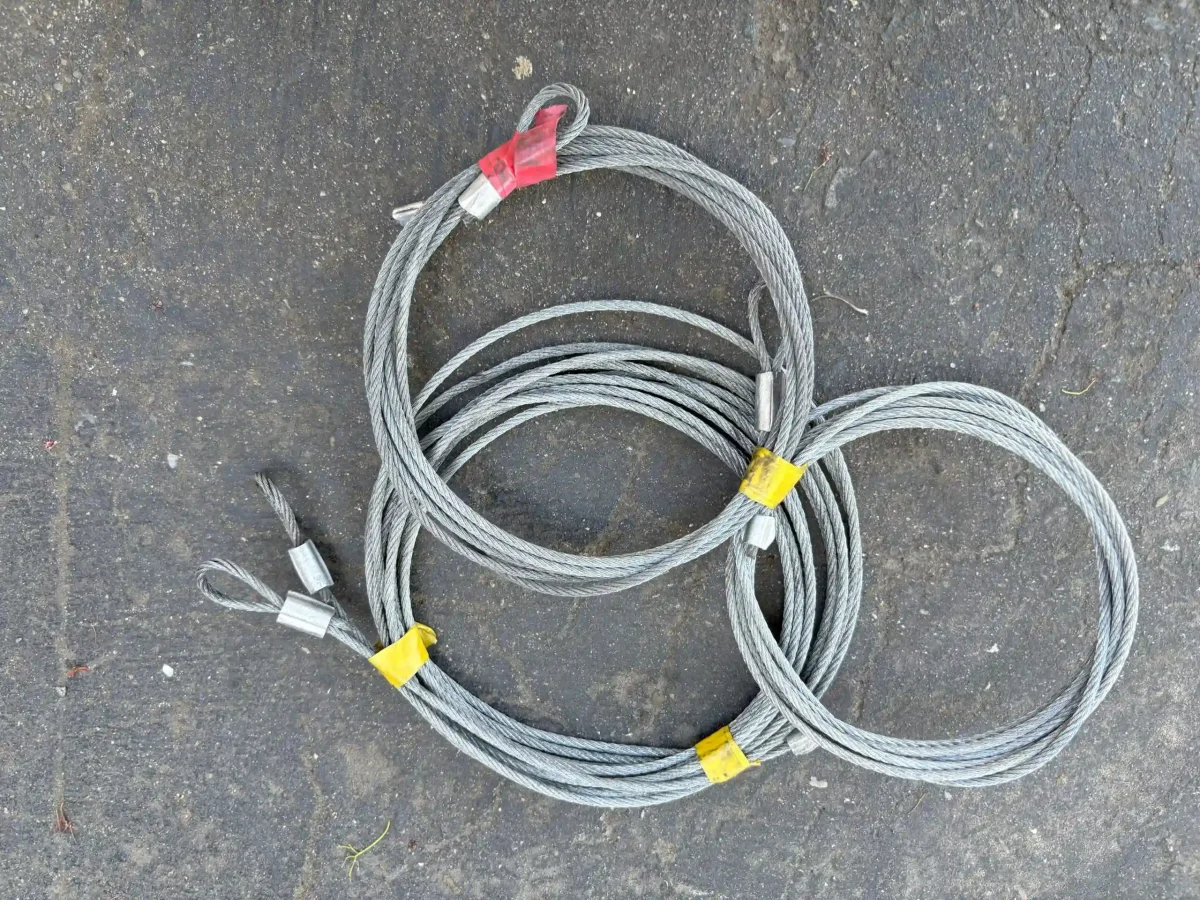
Garage door cables are the steel braided lines that run along each side of the door and connect to the bottom brackets and the spring system. They work in tandem with the springs to lift and lower the door, carrying the full weight of the door during every open-and-close cycle.

There are different types of cables depending on the door’s spring system. Torsion spring cables wrap around drums mounted at the top of the door, while extension spring cables run along pulleys on the sides. Both designs serve the same critical purpose, which is to translate the spring’s stored energy into smooth, controlled door movement.

What makes cables so important is that they’re a safety component, not just a moving part. They control how the door behaves during operation and prevent it from falling if something goes wrong. That’s why timely garage door cable repair matters more than most homeowners realize.


Common Signs Your Garage Door Cables Need Repair

The earliest signs of cable trouble are usually visible if you know where to look. Fraying along the cable is one of the clearest indicators, often showing up as small wire strands sticking out from the main line. Rust spots, kinks, or visible damage anywhere along the cable also signal that repair is needed soon.

Operational signs are often easier to spot. A door that hangs unevenly, tilts to one side, or sits crooked in the frame is almost always pointing to a cable issue. Loud popping or banging during operation is another red flag, especially when it shows up as the door reaches the top or bottom of its travel.

More subtle signs include the opener straining more than usual, the door moving in a jerky pattern, or one side appearing to drag while the other moves normally. A cable that has slipped off the drum or pulley is a serious issue that needs immediate attention, since the door can come off track or fall without warning.

These signs almost always start small and get worse the longer they’re ignored.


The Risks of Delaying Garage Door Cable Repair

This is where the real cost of delay shows up. A worn or damaged cable doesn’t stay in the same condition over time. Every cycle adds wear, and eventually the cable reaches a breaking point that can cause serious problems.

The biggest risk is safety. When a cable snaps while the door is in motion, the door can fall suddenly or come off track entirely. A residential garage door weighs anywhere from 130 to over 400 pounds, which means a falling door can cause serious injury to anyone standing nearby. Pets, kids, and vehicles parked underneath are all at risk when a cable fails.

Property damage is the next concern. A door that falls off its tracks can damage vehicles, items stored in the garage, the door itself, and the surrounding frame. Repairing a door that has fallen off track is significantly more expensive than replacing a cable while it’s still intact, and the resulting downtime can leave your home unsecured for days.

There’s also the broader system damage that comes from delayed repair. A worn cable puts extra strain on the opener, the springs, and the rollers. Over time, this leads to premature opener failure and more frequent service calls. What starts as a minor cable repair quickly turns into a major repair bill when the issue is left to spread.


How Cable Damage Affects the Entire Garage Door System

A garage door isn’t a collection of independent parts. It’s a balanced system where every component depends on the others working correctly. When one cable starts to fail, the impact ripples through the rest of the door.

The most immediate effect is on the door’s balance. A worn cable shifts the weight distribution across the system, which forces the opener to work harder during every cycle. Openers are designed to move a properly balanced door, not lift uneven weight, so this extra strain leads to faster motor wear and shorter overall opener lifespan.

The springs feel the impact too. Cables and springs work together to manage the door’s weight, and when one is compromised, the other has to compensate. Springs that work overtime tend to lose tension faster and break sooner than they should.

Rollers, hinges, and tracks also suffer from uneven movement. Before long, you’re looking at a system where multiple components need attention, all because one cable wasn’t repaired in time. Addressing a cable issue early protects every other component in the system.


Why DIY Cable Repair Is Not Recommended

It might be tempting to handle a cable repair yourself, especially if you’re comfortable with home maintenance projects. Garage door cables are one area where DIY almost always causes more problems than it solves.

The biggest issue is the amount of tension involved. Cables work in close coordination with the springs, which hold a significant amount of stored energy. Disconnecting or replacing a cable without the right tools and training can release that tension suddenly, leading to serious injury or property damage.

The technical side matters just as much. Cables need to be correctly sized for the door’s weight, properly tensioned, and aligned so the door remains balanced after the repair. Small mistakes lead to recurring failures, uneven operation, and safety issues that show up days or weeks after the work is done.

Professional garage door cable repair brings the right tools, the right experience, and the safety practices that keep both the homeowner and the technician protected.


What a Professional Garage Door Cable Repair Looks Like

When you bring in a professional for cable repair, the work follows a clear and predictable process. It starts with a full inspection of the cables, drums, pulleys, springs, brackets, and overall door balance. Cables rarely fail in isolation, so a good technician checks the surrounding components to identify anything else that needs attention.

Once the inspection is complete, the technician walks you through what they found, explains your options, and provides a clear estimate before any work begins. There should be no surprises and no pressure to add on work you don’t need.

The actual repair involves carefully releasing tension on the spring system, removing the damaged cable, and installing a new one matched to your door’s weight and configuration. After the new cable is installed, the technician balances the door, tests the safety reversal, and verifies smooth operation from open to close. The result is a door that’s safe, balanced, and ready for years of reliable use.


How to Prevent Cable Issues Going Forward

The best way to handle cable problems is to keep them from happening in the first place. A few simple habits go a long way toward extending the life of your cables and protecting the rest of your door system.

Annual professional maintenance is the single most effective prevention step. A trained technician spots wear, rust, and tension issues before they turn into failures, and routine service keeps the entire system balanced and operating smoothly.

Visual inspections between professional visits also help. Take a quick look at the cables every few months and watch for fraying, rust, or signs of wear. Listening for new noises during operation is another easy habit that catches small issues early, while keeping the garage interior dry and well-ventilated helps prevent rust from forming.


Protect Your Garage Door System With SCF Garage Doors

Garage door cable repair isn’t the kind of issue that gets better with time. The damage spreads, the safety risk climbs, and the cost of repair grows the longer it’s ignored. Acting early is the best way to protect your home, your family, and your investment in your garage door system.

SCF Garage Doors is a family-owned team that helps Sacramento homeowners with prompt, honest garage door cable repair backed by quality workmanship. If you’ve noticed any signs of cable damage on your door, reach out to SCF Garage Doors and get a closer look from a licensed local team that genuinely cares about the work they leave behind.

Categories
Garage Door Installation & Replacement

Can You Replace a Single Garage Door Panel?

You back into the garage door a little too fast, hear the crunch, and step out to find a noticeable dent in one panel. Or maybe a baseball hits the door just right and leaves a crack you can’t ignore. The first question most Sacramento homeowners ask is whether they really need a brand-new door, or if just the damaged section can be swapped out.

Single panel replacement is one of the most common questions in the garage door installation and replacement space, and the answer matters more than people realize. Getting it right can save you a significant amount of money, while getting it wrong can leave you with a mismatched-looking door or a system that doesn’t operate properly.

In this guide, we’ll walk through when single panel replacement is possible, when it isn’t, and how to make the best decision based on your specific situation.


Can You Really Replace a Single Garage Door Panel?

The short answer is yes, in many cases a single panel can be replaced without swapping out the entire door. Garage doors are built in stacked horizontal sections, and individual panels are designed to be removed and replaced when needed. That’s part of what makes them a practical, modular system.

That said, single panel replacement only works under certain conditions. The original panel needs to still be in production by the manufacturer, the surrounding panels have to be in good condition, and the damage has to be limited enough that a swap actually solves the problem.

When those conditions are met, single panel replacement is usually the more cost-effective route compared to full garage door installation and replacement. It’s faster, less disruptive, and lets you preserve the rest of the door you’ve already invested in.


When Single Panel Replacement Makes the Most Sense

There are clear scenarios where replacing one panel is the right call. The most common is minor accidental damage from a vehicle bumper, a stray basketball, or a tool that knocked into the door. In these cases, the impact is usually limited to a single section, and the rest of the door is still in good shape.

Single-point impact damage on newer doors is another strong candidate for panel replacement. If the door is only a few years old, the manufacturer still produces matching panels, and the colors haven’t faded much, swapping in a new section blends in almost seamlessly with the rest of the door.

The same applies to isolated dents or cracks that don’t extend across multiple panels. As long as the damage is contained and the door’s overall structure is intact, replacing the damaged section restores both the look and function of the door without the cost of a full replacement.

The age and condition of the door matter here too. A door that’s well-maintained, properly balanced, and only has one damaged panel is a textbook case for single panel replacement.


When You Should Replace the Whole Door Instead

There are also situations where full garage door installation and replacement makes more sense than replacing a single panel. Knowing which side of the line your situation falls on helps you avoid pouring money into a partial fix that doesn’t last.

Discontinued door models are one of the biggest reasons to go with a full replacement. If the manufacturer no longer makes your specific door, finding a matching panel becomes either impossible or so expensive that it eats into the savings of replacing just one section. A panel that doesn’t match the rest of the door also affects curb appeal and resale value.

Multiple damaged panels usually call for full replacement as well. Once you’re looking at three or more panels needing work, the cost often climbs close to a new door, and you’re better off starting fresh with something that’s fully under warranty.

Widespread rust, weathering, or fading across the rest of the door is another signal. Even if only one panel is physically damaged, a new panel will stand out against older, weathered sections. Add in structural issues like bent tracks, a damaged frame, or a door that’s already operating poorly, and full replacement becomes the smarter long-term choice.


Factors That Affect Single Panel Replacement

A few key variables determine whether single panel replacement is the right fit for your specific door. Understanding them upfront helps you make a more informed decision.

Panel availability is the biggest factor. If your door is still in production, finding a matching panel from the manufacturer is usually straightforward. For older or discontinued models, availability becomes hit or miss, and even when a match exists, lead times can stretch out longer than expected.

Door age plays a major role too. Even when matching panels are technically available, older doors often have noticeable fading, weathering, or color shift on the existing panels. A brand-new panel installed next to ten-year-old sections can look obviously out of place, even if the model numbers match.

Material type also matters. Steel and aluminum panels tend to be easier to source and match, while custom wood or specialty fiberglass doors can be more complicated. Color matching adds another layer of difficulty, especially for custom finishes or doors that have been repainted over the years.

A knowledgeable local team can walk you through all these factors honestly and help you decide whether the replacement will deliver the result you’re hoping for.


What the Single Panel Replacement Process Looks Like

When you bring in a professional for single panel replacement, the process is usually straightforward and faster than a full garage door installation and replacement.

It starts with an inspection. A technician comes out, looks at the damage, identifies the door brand and model, and verifies that a matching panel is available. They also check the surrounding panels, tracks, rollers, and hardware to make sure nothing else needs attention before the replacement happens.

Once the matching panel is sourced, the technician schedules the install. The damaged panel is carefully removed by disconnecting it from the hinges, rollers, and any surrounding hardware. The new panel is then positioned, hinged into place, and reconnected to the rest of the system.

After installation, the technician balances the door, tests the opener, and verifies that the safety reversal still works correctly. The whole process is typically completed in a few hours, depending on the door type and how the panel integrates with the rest of the system. Compared to a full door replacement, single panel replacement is significantly less disruptive to your day.


Cost Considerations for Single Panel Replacement

Cost is often the deciding factor between replacing one panel and going with full garage door installation and replacement. In most cases, replacing a single panel is significantly less expensive than installing a brand-new door.

That said, the exact cost depends on several variables. Panel material plays a big role, with steel being the most affordable and custom wood or specialty materials sitting at the higher end. The door brand also matters, since some manufacturers price replacement panels more aggressively than others.

Availability affects pricing too. Common, in-production panels are usually priced reasonably, while harder-to-find matches for older doors can come at a premium. Labor costs for the install are typically lower than a full door replacement, which adds to the savings.

The bigger picture matters as well. Replacing one panel today can extend the life of your door for years, while full garage door installation and replacement is a larger investment that comes with its own benefits, including improved energy efficiency, modern safety features, and a fresh manufacturer’s warranty on the entire system.


Why Working With a Professional Matters

Single panel replacement might look simple from the outside, but the work involves more than just swapping a section. The new panel has to integrate seamlessly with the existing door, the balance has to stay correct, and the safety features need to keep working the way they should.

Professionals bring the right tools, the right measurements, and the experience to handle the work safely. Garage doors carry significant tension in their springs and cables, and removing or installing panels without the proper approach can lead to injury or further damage to the door.

A licensed local team also brings access to manufacturer-matched parts, the ability to identify hidden issues during the replacement, and the kind of follow-through that comes with standing behind the work. That combination is what makes the difference between a panel replacement that lasts and one that needs to be revisited months later.


Need Help Deciding? Talk to SCF Garage Doors

The right call between single panel replacement and full garage door installation and replacement comes down to the specific damage, the door type, and the overall condition of the system. Some situations are clearly one or the other, while others benefit from an experienced eye taking a closer look.

SCF Garage Doors is a family-owned team that helps Sacramento homeowners make honest, informed decisions about garage door installation and replacement. If you’re staring at a damaged panel and trying to figure out the right path forward, reach out to SCF Garage Doors for a straight answer and quality workmanship from a licensed local team that genuinely cares about the work they leave behind.

Categories
Garage Door Repair & Emergency Services

When Do You Need a Garage Door Panel Repair?

garage door panel repair

June 5, 2026

A garage door does more than just open and close. It protects your home, contributes to your curb appeal, and works as one of the most-used entry points in the entire house. The panels play a big part in all of that, and when they start showing signs of damage, it’s easy to put off addressing it until the issue gets harder to ignore.

The trouble is, a damaged garage door panel rarely stays just a cosmetic problem. Over time, what starts as a small dent or crack can affect how the entire door operates, putting strain on the opener and shortening the life of the system. Knowing when a garage door panel repair is needed can save you money, keep your home secure, and prevent a small fix from turning into a major replacement.

In this guide, we’ll walk through the warning signs, the most common causes of panel damage, when to repair versus replace, and what to expect from a professional service.

What Is a Garage Door Panel?

A garage door panel is one of the individual horizontal sections that make up the full door. Most residential garage doors are built from four to six panels stacked on top of each other, hinged together so they can flex and roll along the tracks during opening and closing.

Panels come in a range of materials, with steel being the most common choice for Sacramento homes thanks to its durability and low maintenance. Aluminum, wood, and fiberglass panels are also widely used, each with their own benefits and design styles. Some panels are insulated to help with energy efficiency, while others are single-layer for simpler builds.

Together, the panels form a weather-tight, structurally sound barrier between your garage and the outside. When one is compromised, the rest of the system has to work harder to compensate.

Common Signs You Need a Garage Door Panel Repair

The clearest sign that you need a garage door panel repair is visible damage, but not every issue is obvious at first glance. Some signs develop slowly, and many homeowners don’t notice them until the door starts behaving differently.

Visible dents and cracks are the most common red flags. Even small dents can spread or worsen with continued use, especially on steel or aluminum panels where damage flexes with each cycle. Cracks often signal deeper structural issues and need attention sooner rather than later.

Warping is another sign worth watching for. Heat, moisture, and age can cause panels to bow outward or twist, which throws off the seal and alignment of the door. Gaps between panels or between the door and the frame let in light, air, pests, and water.

Rust spots on metal panels are easy to ignore but tend to spread quickly once they start. Separation along the seams, sagging sections, or any panel that no longer sits flush all point to a need for prompt repair. If the door starts making new noises or moving unevenly, the panels are often the first place to check.

Common Causes of Garage Door Panel Damage

Panels can take a beating, and the causes of damage are often more varied than people expect. Knowing what tends to cause panel issues helps you avoid them and recognize them earlier when they do happen.

Vehicle impact is one of the most common culprits. A bumper backing into the door, even at low speed, can dent or crack a panel without doing much visible damage to the car. The same goes for tools, ladders, and sports equipment that gets knocked into the door during everyday garage use.

Weather plays a bigger role than many homeowners realize. Long stretches of heat, repeated rain exposure, and seasonal temperature swings all cause materials to expand, contract, and slowly lose structural integrity. Moisture is especially hard on wood and untreated steel panels.

Age and material fatigue catch up with every door eventually. After years of daily cycles, sun exposure, and weather, even a well-built panel starts to show its age. Improper installation can speed this up, since panels that were never seated correctly take on uneven stress with every movement. Lack of routine maintenance also contributes to faster wear.

Can a Damaged Panel Affect How Your Garage Door Works?

Yes, and often more than people expect. A garage door is engineered as a balanced, interconnected system, which means damage to one section affects the rest. What looks like a small cosmetic issue on a single panel can quickly turn into a performance problem across the whole door.

When a panel is dented, warped, or cracked, the door’s balance starts to shift. The opener has to work harder to lift the uneven weight, which puts extra strain on the motor and drive system. Over time, this leads to premature opener wear and repair bills that could have been avoided with an earlier panel fix.

Damaged panels also cause uneven movement along the tracks. Rollers wear out faster, hinges loosen, and cables can become misaligned. In severe cases, the door can come off the track entirely. A timely garage door panel repair keeps the system balanced and prevents these cascading issues.

Garage Door Panel Repair vs Replacement

One of the biggest questions homeowners face when a panel is damaged is whether to repair it or replace it. The right answer depends on a few key factors, and a good technician will walk you through both options before any work begins.

Repair is usually the right choice when the damage is limited and the panel is otherwise sound. Minor dents on steel or aluminum panels can often be reshaped or reinforced, and small cracks can sometimes be sealed with added bracing. If the panel’s structural integrity is intact, repair is the more cost-effective path.

Replacement makes more sense when the damage is severe. Deep cracks, significant warping, widespread rust, or structural damage that affects how the panel sits in the frame usually call for a full panel swap.

Another factor is the age and availability of matching panels. If your door is still in production, swapping in a single new panel is straightforward and seamless. For older doors where matching panels are no longer available, replacing the full door is sometimes the better long-term option.


What to Expect From a Professional Garage Door Panel Repair

Bringing in a professional for a garage door panel repair takes the guesswork out of the process. A proper service visit follows a clear, predictable flow from start to finish.

It starts with a full inspection of the damaged panel and the surrounding components. A good technician doesn’t just look at the dent or crack in front of them, they assess how the damage has affected the rest of the door, including the rollers, hinges, tracks, and balance.

Once the inspection is complete, the technician walks you through what they found and presents your options. That conversation should be in plain language, with a clear explanation of why they recommend repair or replacement, what the work involves, and what it will cost.

If you approve the work, the repair or replacement happens on-site in most cases. Panel repairs are typically completed in a couple of hours, while full panel swaps can take longer depending on the door type. Once the work is done, the technician balances the door, tests the opener, and verifies everything is operating smoothly.

How to Prevent Future Garage Door Panel Damage

The good news about garage door panel damage is that a lot of it is preventable. A few simple habits go a long way toward extending the life of your panels.

Park carefully and give yourself enough room when backing in or out. Even slow-speed bumps can dent or crack a panel. Keep tools, bikes, and sports equipment stored away from the door, and avoid leaning heavy items against it for long stretches.

Address rust spots and weather damage as soon as you notice them, especially on metal panels where the issue tends to spread. Replacing worn weather seals around the bottom and sides of the door helps keep moisture out and protects the panels from the inside. Schedule annual professional maintenance to catch small problems early and keep the whole system running the way it should.

Keep Your Garage Door Looking and Working Great With SCF Garage Doors

A damaged garage door panel is more than just a cosmetic issue. It affects how your door operates, how secure your home is, and how long the rest of the system lasts. The earlier you address the damage, the easier and more affordable the repair tends to be.

SCF Garage Doors is a family-owned team that helps Sacramento homeowners with quality garage door panel repair, clear recommendations, and honest workmanship. If you’ve noticed dents, cracks, warping, or any other signs that your panel may need attention, reach out to SCF Garage Doors and get a closer look from a licensed local team that genuinely cares about the work they leave behind.